Icebergs
What are your chances of seeing an iceberg?
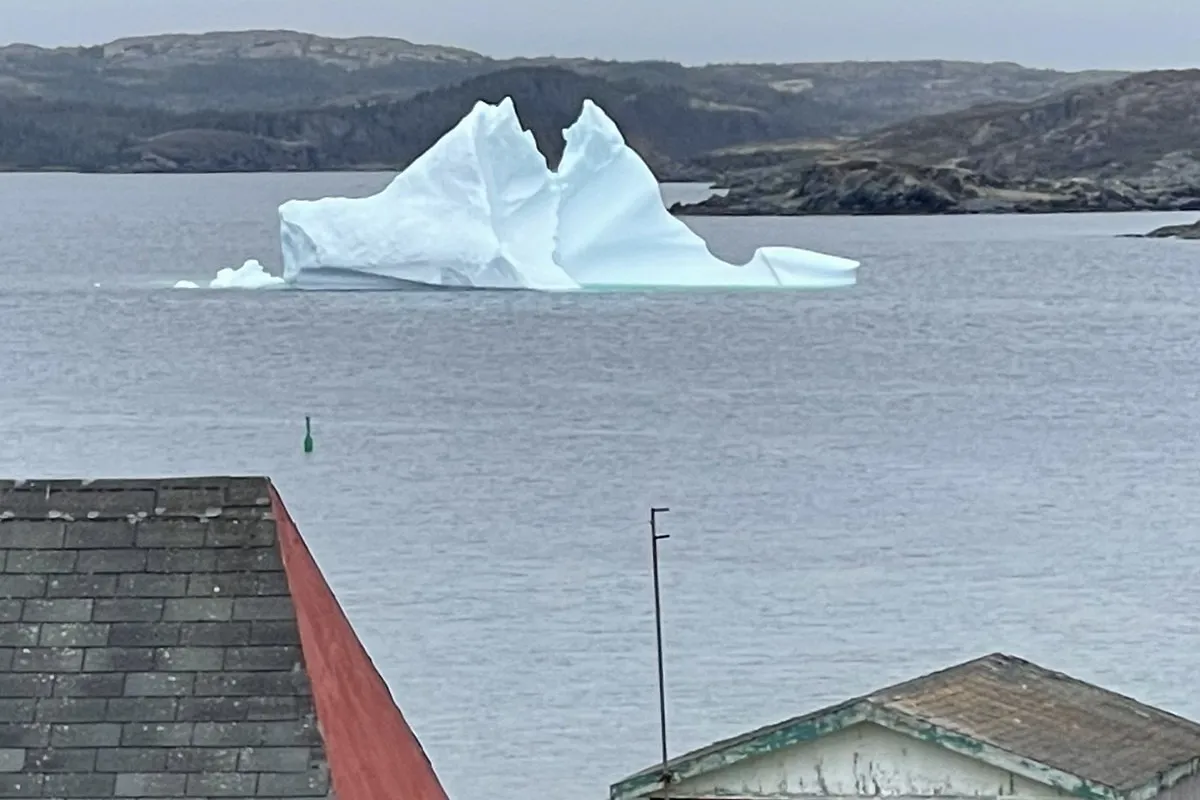
Book late May and early June · Province iceberg viewing advice
Drive Iceberg Alley
- From Gander · 86 km to the wharfFogo Island, by ferry from Farewell →
- From Gander · 86 km to the wharfChange Islands, by ferry from Farewell →
- From Gander · 114 kmTwillingate →
- From Deer Lake · 208 kmLa Scie →
- From Gander · 248 kmCape Bonavista Lighthouse →
- From Argentia · 264 kmCape Bonavista Lighthouse →
- From St. John's · 309 kmCape Bonavista Lighthouse →
- From Gander · 324 kmLa Scie →
- From Deer Lake · 343 km to the wharfFogo Island, by ferry from Farewell →
- From Deer Lake · 360 kmTwillingate →
- From Argentia · 375 km to the wharfFogo Island, by ferry from Farewell →
- From Argentia · 402 kmTwillingate →
- From St. John's · 419 km to the wharfFogo Island, by ferry from Farewell →
- From St. John's · 447 kmTwillingate →
- From Port aux Basques · 475 kmLa Scie →
- From Deer Lake · 551 kmCape Bonavista Lighthouse →
- From Port aux Basques · 609 km to the wharfFogo Island, by ferry from Farewell →
- From Argentia · 611 kmLa Scie →
- From Port aux Basques · 627 kmTwillingate →
- From St. John's · 655 kmLa Scie →
- From Port aux Basques · 818 kmCape Bonavista Lighthouse →
Each drive ends at a viewing spot it names. Check Iceberg Finder for the latest sightings before you go.
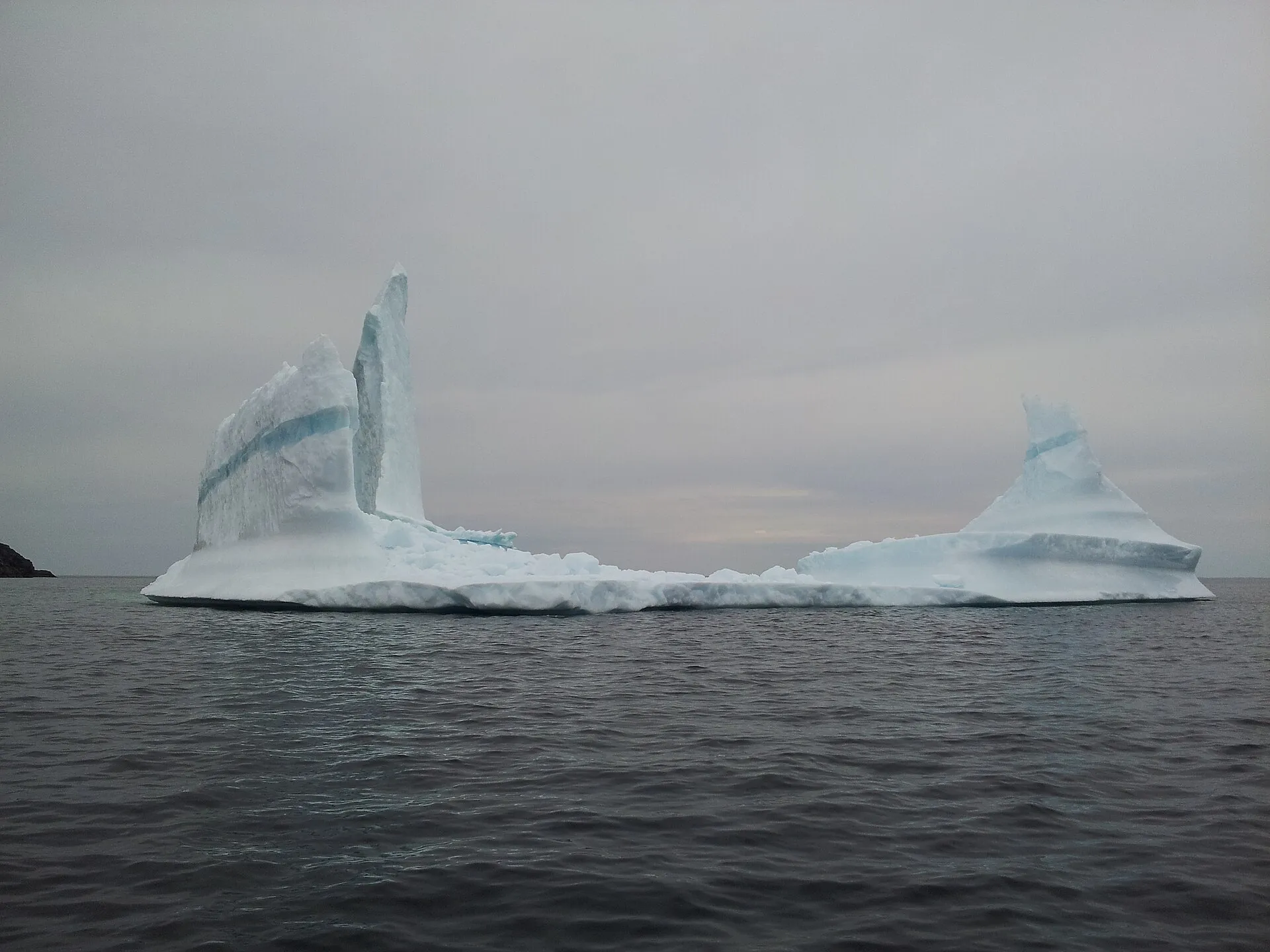

Caught one on camera with something for scale (a boat, a headland, a person)? We want it, credited to you.
The record, for the curious
Chance of icebergs
The share of 122 recorded years (the month-by-month series in the source runs 1900–2021; the headline stats above use the full record to 2025) with at least one iceberg south of 48°N in that month. History, not a forecast — and the count is taken in the shipping lanes, not in the bay you'll stand beside. For the latest sightings, check Iceberg Finder.
Best time to come
Late May and early June
Why not April? The ice is there: 90% of years had icebergs in April, close to May's 92%. But in April the bergs may still be locked up in sea ice along the coast, so the province suggests waiting for late May and early June to see them. The province's advice
Your odds, month by month
The same question for every month of the year: in how many of the 122 counted years was there ice that month? Tap the month you're travelling.
- Jan25%
- Feb50%
- Mar84%
- Apr90%Sea ice
- May92%Late May
- Jun86%Early June
- Jul72%
- Aug48%
- Sep24%
- Oct16%
- Nov16%
- Dec17%
Share of counted years (1900–2021) with at least one iceberg south of 48°N in that month. A month can deliver ice to the lanes and none to a given bay — wind and current decide the last miles.
A century of iceberg years, counted
The US Coast Guard's International Ice Patrol has counted the icebergs drifting south of 48°N — the shipping lanes off Newfoundland — every ice year since 1900. This is that record, drawn from the data itself.
- Heaviest year
- 2,202
- icebergs in 1984
- Lightest years
- 0
- twice: 1966 and 2006
- Median year
- 317.5
- across 126 ice years
- Latest season
- 250
- 2025, “moderate” per IIP
The full table, year by year
| Ice year | Icebergs south of 48°N | Source |
|---|---|---|
| 1900 | 88 | NSIDC G10028 |
| 1901 | 81 | NSIDC G10028 |
| 1902 | 48 | NSIDC G10028 |
| 1903 | 802 | NSIDC G10028 |
| 1904 | 266 | NSIDC G10028 |
| 1905 | 822 | NSIDC G10028 |
| 1906 | 428 | NSIDC G10028 |
| 1907 | 635 | NSIDC G10028 |
| 1908 | 207 | NSIDC G10028 |
| 1909 | 1,041 | NSIDC G10028 |
| 1910 | 51 | NSIDC G10028 |
| 1911 | 374 | NSIDC G10028 |
| 1912 | 1,038 | NSIDC G10028 |
| 1913 | 543 | NSIDC G10028 |
| 1914 | 721 | NSIDC G10028 |
| 1915 | 487 | NSIDC G10028 |
| 1916 | 55 | NSIDC G10028 |
| 1917 | 38 | NSIDC G10028 |
| 1918 | 181 | NSIDC G10028 |
| 1919 | 317 | NSIDC G10028 |
| 1920 | 430 | NSIDC G10028 |
| 1921 | 762 | NSIDC G10028 |
| 1922 | 492 | NSIDC G10028 |
| 1923 | 284 | NSIDC G10028 |
| 1924 | 11 | NSIDC G10028 |
| 1925 | 109 | NSIDC G10028 |
| 1926 | 341 | NSIDC G10028 |
| 1927 | 393 | NSIDC G10028 |
| 1928 | 507 | NSIDC G10028 |
| 1929 | 1,329 | NSIDC G10028 |
| 1930 | 504 | NSIDC G10028 |
| 1931 | 14 | NSIDC G10028 |
| 1932 | 514 | NSIDC G10028 |
| 1933 | 216 | NSIDC G10028 |
| 1934 | 576 | NSIDC G10028 |
| 1935 | 872 | NSIDC G10028 |
| 1936 | 25 | NSIDC G10028 |
| 1937 | 470 | NSIDC G10028 |
| 1938 | 664 | NSIDC G10028 |
| 1939 | 850 | NSIDC G10028 |
| 1940 | 1 | NSIDC G10028 |
| 1941 | 3 | NSIDC G10028 |
| 1942 | 30 | NSIDC G10028 |
| 1943 | 840 | NSIDC G10028 |
| 1944 | 700 | NSIDC G10028 |
| 1945 | 1,083 | NSIDC G10028 |
| 1946 | 430 | NSIDC G10028 |
| 1947 | 63 | NSIDC G10028 |
| 1948 | 523 | NSIDC G10028 |
| 1949 | 47 | NSIDC G10028 |
| 1950 | 457 | NSIDC G10028 |
| 1951 | 8 | NSIDC G10028 |
| 1952 | 15 | NSIDC G10028 |
| 1953 | 56 | NSIDC G10028 |
| 1954 | 312 | NSIDC G10028 |
| 1955 | 61 | NSIDC G10028 |
| 1956 | 80 | NSIDC G10028 |
| 1957 | 931 | NSIDC G10028 |
| 1958 | 1 | NSIDC G10028 |
| 1959 | 689 | NSIDC G10028 |
| 1960 | 258 | NSIDC G10028 |
| 1961 | 114 | NSIDC G10028 |
| 1962 | 121 | NSIDC G10028 |
| 1963 | 25 | NSIDC G10028 |
| 1964 | 369 | NSIDC G10028 |
| 1965 | 76 | NSIDC G10028 |
| 1966 | 0 | NSIDC G10028 |
| 1967 | 441 | NSIDC G10028 |
| 1968 | 230 | NSIDC G10028 |
| 1969 | 53 | NSIDC G10028 |
| 1970 | 85 | NSIDC G10028 |
| 1971 | 73 | NSIDC G10028 |
| 1972 | 1,588 | NSIDC G10028 |
| 1973 | 846 | NSIDC G10028 |
| 1974 | 1,387 | NSIDC G10028 |
| 1975 | 100 | NSIDC G10028 |
| 1976 | 151 | NSIDC G10028 |
| 1977 | 22 | NSIDC G10028 |
| 1978 | 75 | NSIDC G10028 |
| 1979 | 152 | NSIDC G10028 |
| 1980 | 24 | NSIDC G10028 |
| 1981 | 63 | NSIDC G10028 |
| 1982 | 188 | NSIDC G10028 |
| 1983 | 1,352 | NSIDC G10028 |
| 1984 | 2,202 | NSIDC G10028 |
| 1985 | 1,063 | NSIDC G10028 |
| 1986 | 204 | NSIDC G10028 |
| 1987 | 318 | NSIDC G10028 |
| 1988 | 187 | NSIDC G10028 |
| 1989 | 301 | NSIDC G10028 |
| 1990 | 793 | NSIDC G10028 |
| 1991 | 1,974 | NSIDC G10028 |
| 1992 | 876 | NSIDC G10028 |
| 1993 | 1,753 | NSIDC G10028 |
| 1994 | 1,765 | NSIDC G10028 |
| 1995 | 1,432 | NSIDC G10028 |
| 1996 | 611 | NSIDC G10028 |
| 1997 | 1,011 | NSIDC G10028 |
| 1998 | 1,380 | NSIDC G10028 |
| 1999 | 22 | NSIDC G10028 |
| 2000 | 843 | NSIDC G10028 |
| 2001 | 89 | NSIDC G10028 |
| 2002 | 877 | NSIDC G10028 |
| 2003 | 927 | NSIDC G10028 |
| 2004 | 262 | NSIDC G10028 |
| 2005 | 11 | NSIDC G10028 |
| 2006 | 0 | NSIDC G10028 |
| 2007 | 324 | NSIDC G10028 |
| 2008 | 976 | NSIDC G10028 |
| 2009 | 1,204 | NSIDC G10028 |
| 2010 | 1 | NSIDC G10028 |
| 2011 | 3 | NSIDC G10028 |
| 2012 | 499 | NSIDC G10028 |
| 2013 | 13 | NSIDC G10028 |
| 2014 | 1,546 | NSIDC G10028 |
| 2015 | 1,165 | NSIDC G10028 |
| 2016 | 687 | NSIDC G10028 |
| 2017 | 1,008 | NSIDC G10028 |
| 2018 | 208 | NSIDC G10028 |
| 2019 | 1,515 | NSIDC G10028 |
| 2020 | 169 | NSIDC G10028 |
| 2021 | 1 | NSIDC G10028 |
| 2022 | 58 | Bulletin No. 108, CG-188-77 |
| 2023 | 385 | Bulletin No. 109, CG-188-78 |
| 2024 | 22 | Bulletin No. 110, CG-188-79 |
| 2025 | 250 | Bulletin No. 111, CG-188-80 |
When they come, when they don’t
Across the 1900–2021 record — the years with month-by-month counts — 57.9% of all crossings happened in April and May, and 88.4% between March and June. A count at 48°N is not a berg in a bay: what reaches shore, and when, also depends on wind and current in the final weeks — which is why the viewing advice and the peak of the count are not the same weeks.
Where every number on this page comes from
- Ice years 1900–2021: NSIDC G10028: International Ice Patrol Annual Count of Icebergs South of 48 Degrees North, 1900 to Present, Version 1, DOI 10.7265/z6e8-3027 — the committed CSV is the file as fetched 2026-09-01, and cited here as NSIDC requires.
- Ice year 2022: 58 icebergs, a “Light” season — Bulletin No. 108, CG-188-77, checked 2026-09-01.
- Ice year 2023: 385 icebergs, a “moderate” season — Bulletin No. 109, CG-188-78, checked 2026-09-01.
- Ice year 2024: 22 icebergs, a “light” season — Bulletin No. 110, CG-188-79, checked 2026-09-01.
- Ice year 2025: 250 icebergs, a “moderate” season — Bulletin No. 111, CG-188-80, checked 2026-09-01.
- Severity buckets (light ≤ 230, moderate ≤ 1036, severe ≤ 1398, extreme above that): the IIP's own classification — Bulletin No. 111 (Report of the International Ice Patrol in the North Atlantic, 2025 Season), checked 2026-08-31.
- Every statistic above is derived from these sources by a script committed beside the data, and the build fails if the two ever disagree. Nothing is typed in by hand, and we publish no forecast: this page is history, counted.
- Canada keeps its own ice record: the Canadian Ice Service publishes daily iceberg analysis charts and seasonal outlooks — the live and official Canadian counterpart to the century of counts above. Linked, not mirrored: their charts change daily, and this page's whole promise is that it never pretends otherwise.
History gives you odds, not a forecast. The chart above counts icebergs in the shipping lanes, not at the shore, and no one publishes a pre-season forecast. It does show how often the season is heavy, how often it is nearly empty, and when in the year the ice comes.
Then decide where to stand: where to see icebergs near Gander has the province’s named viewing spots, with the measured drive to each.
Tell me when the icebergs arrive
Most of the year there are none. We'll email when the season looks worth the trip.
Before you go
These change, so we link to the people who keep them up to date.
The live iceberg mapCheck the day you travel
Iceberg Finder is the province-backed sightings map. It shows what is out there on the day; history does not.
icebergfinder.com →The IIP's daily pictureIn season, updated daily
The International Ice Patrol, whose century of counts this page is built on, publishes a daily iceberg chart and bulletin for the shipping lanes.
navcen.uscg.gov →When to come, per the provinceLate May and early June suggested
Newfoundland and Labrador Tourism's guidance is that April and May are the months when bergs are most plentiful, but they may be locked up in sea ice, so late May and early June are suggested for best viewing.
newfoundlandlabrador.com →
Questions
What are the odds of seeing an iceberg in Newfoundland?+
There is no single number. The century-long count on this page is the closest thing to an answer: roughly two years in five are light seasons, and a heavy year and a light one differ enormously, from thousands of icebergs to, twice in the record, none at all. Check the chart, then check current sightings before you travel.
Can anyone forecast the iceberg season in advance?+
No official forecast exists. The International Ice Patrol publishes daily charts in season and a retrospective count afterwards, but no pre-season outlook. Academic forecasting has been tried, with mixed published results, and offers no current public forecast. This page shows counted history only.
Does a heavy iceberg year guarantee I will see one?+
No. The count is taken at 48°N, in the shipping lanes, not in the bays people watch from. In some years wind and current keep offshore bergs from the coast. A heavy year improves your odds; nothing guarantees them.
Where should I go to actually see one?+
The province names its more popular viewing spots. Our guide to icebergs near Gander covers the ones within reach of the airport, including Twillingate, Fogo Island and Change Islands, with the measured drive to each.
Every figure on this page was checked against its source on September 1, 2026.